

The Bonsai Problem Nobody Talks About
Posted by Ashley Carrier on Dec 15th 2025
The Hidden Threat to American Bonsai
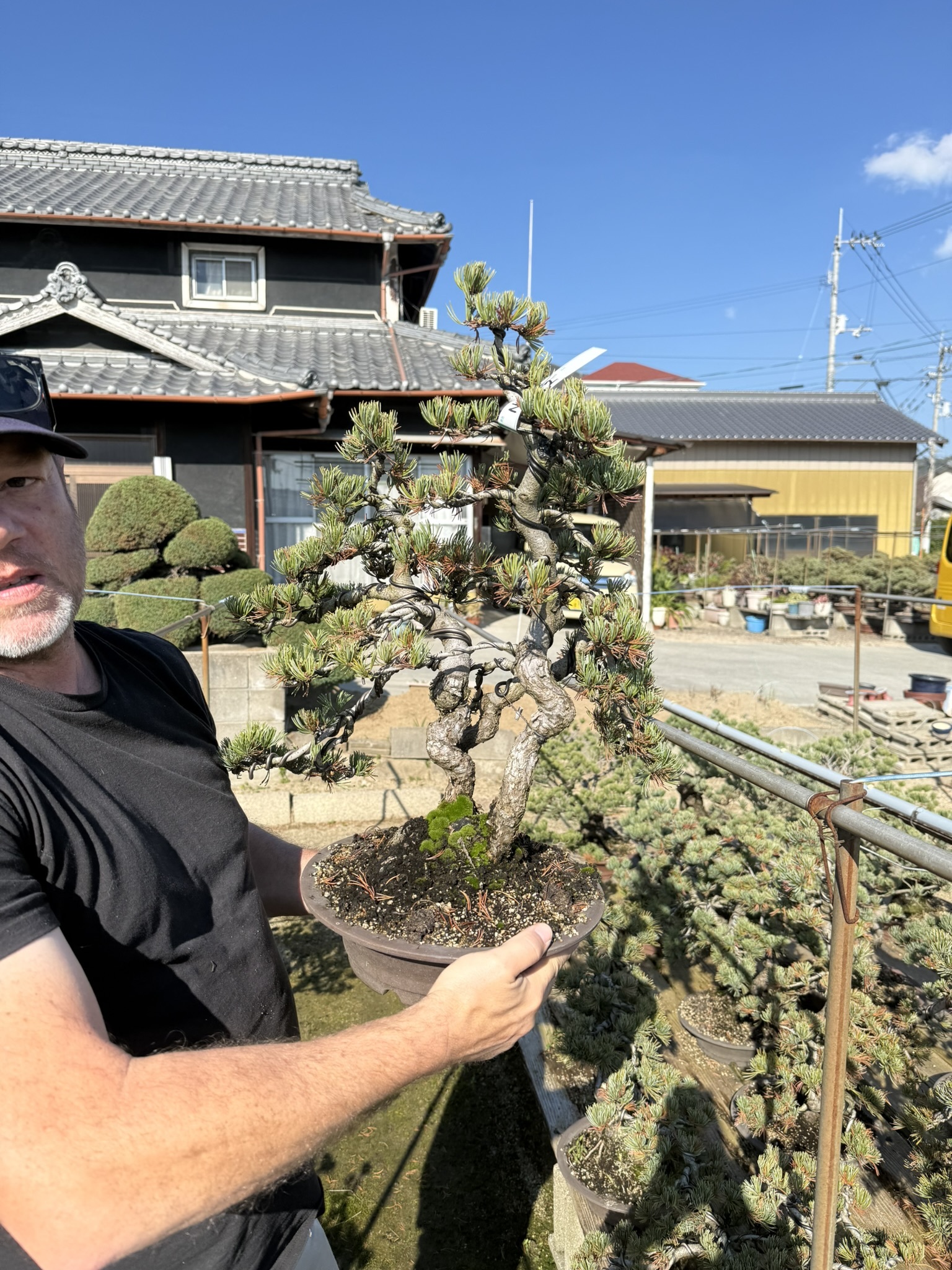
The Bonsai Industry Has a Smuggling Problem, and We Need to Talk About It
Bonsai is built on patience, discipline, and accountability. You cannot rush age, manufacture history, or skip steps without consequences. Every honest bonsai tells the truth in its trunk, its roots, and the scars left behind by time.
That is why what is happening in the American bonsai market right now should make people uncomfortable.
There is a lot of misguided and convenient information circulating about U.S. bonsai import laws, especially when Japan is part of the conversation. So let’s get everyone on the same page without sugarcoating it.
How Legal Bonsai Imports Actually Work
Legal bonsai imports into the United States are slow, expensive, and restrictive by design. They require real relationships with Japanese growers, species-specific approval, and months, often years, of compliance.
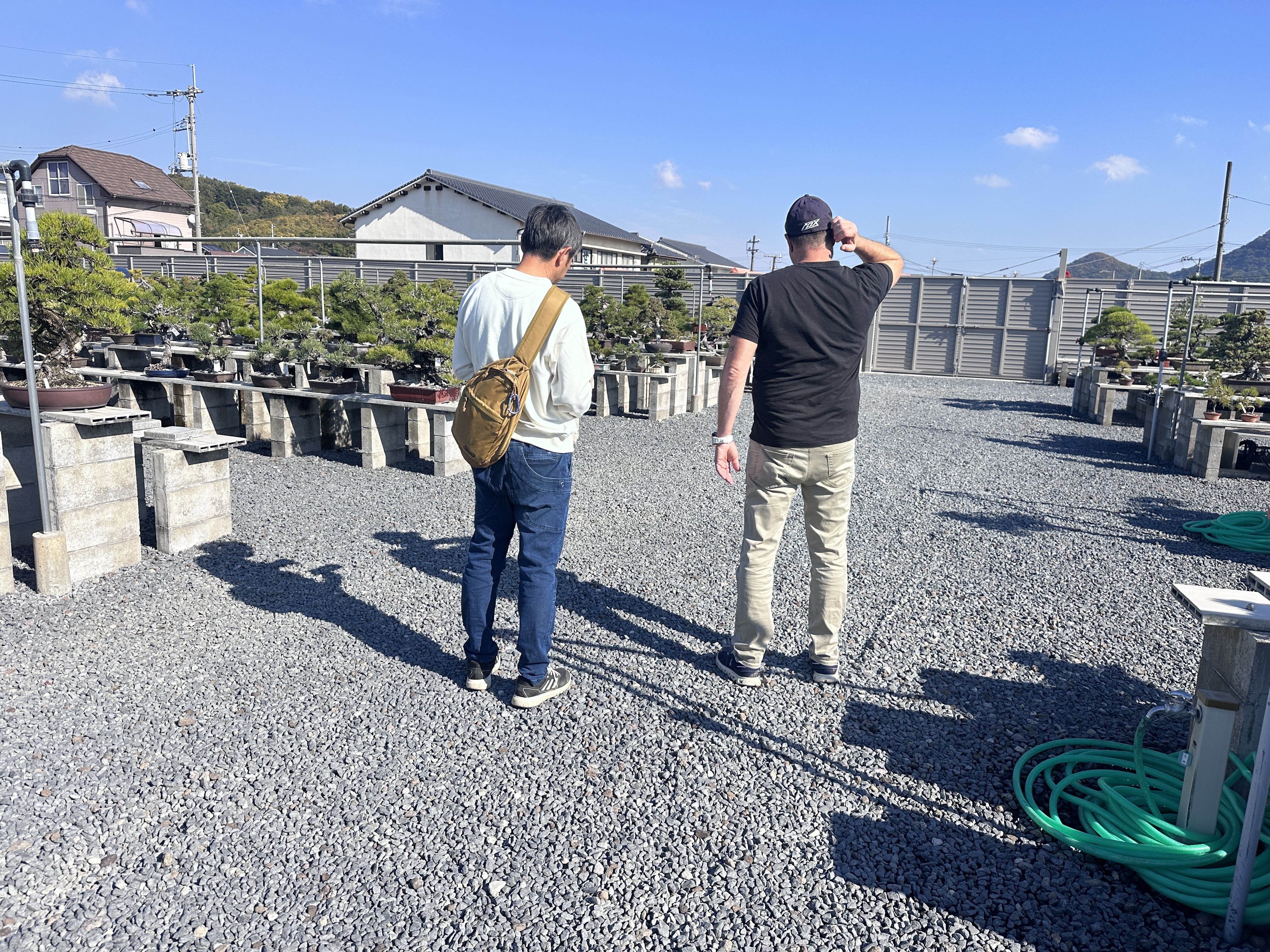
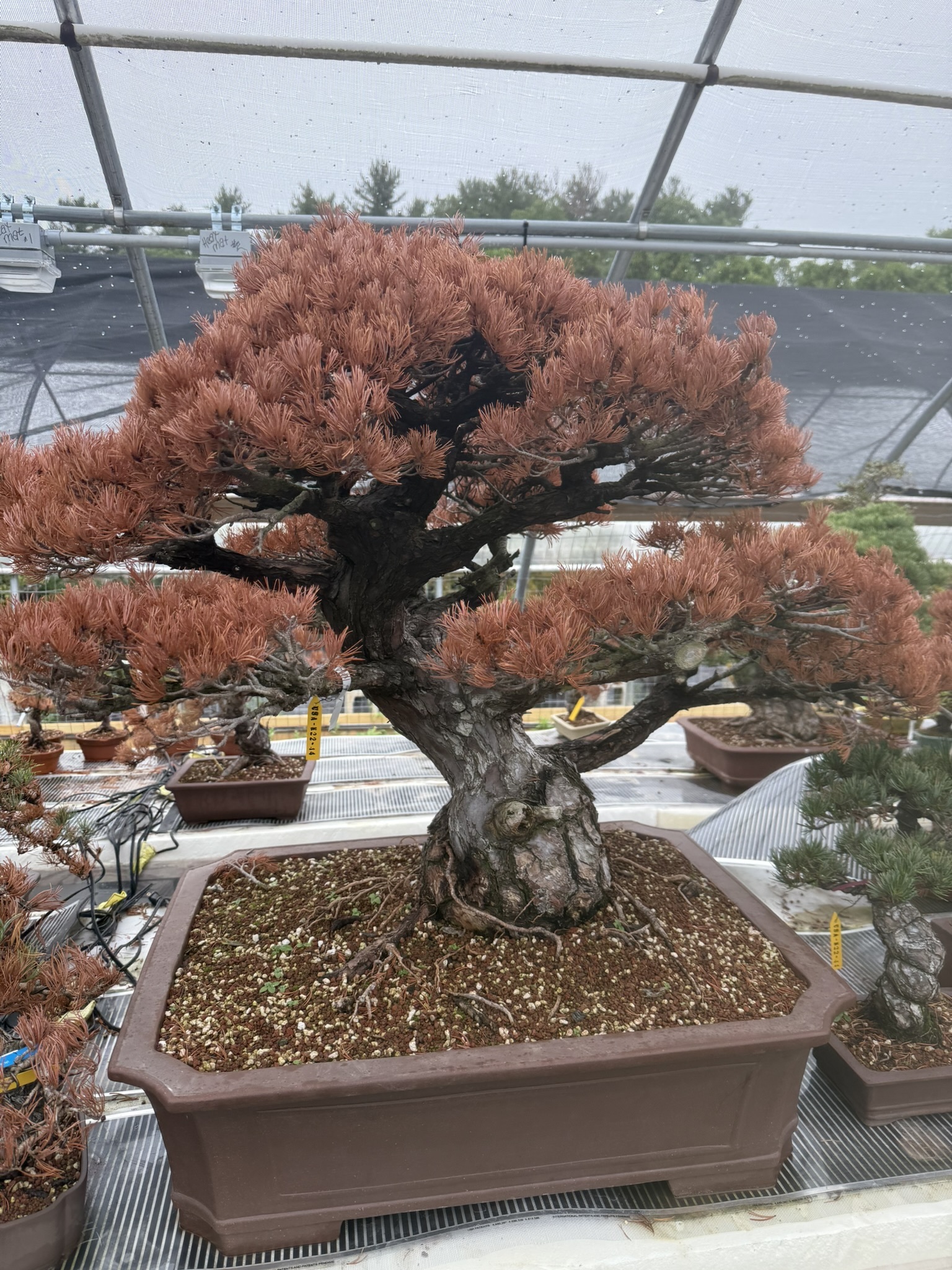
Many trees must be registered with Japanese Plant Quarantine, quarantined in Japan for a full year, bare-rooted, fully washed, stripped of all soil, wrapped, packaged, and shipped.
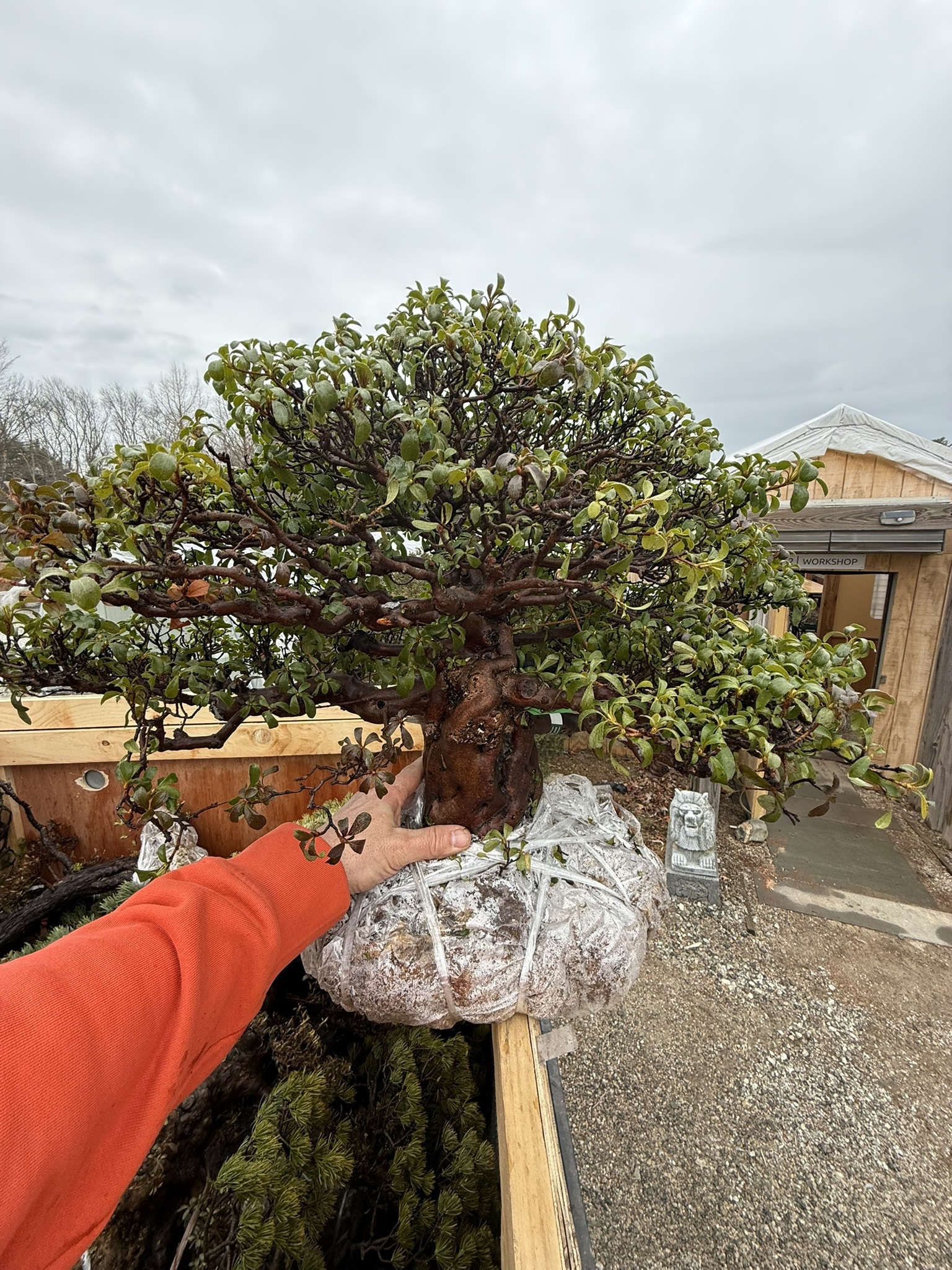
Once they arrive in the U.S., they are inspected at a USDA-APHIS approved inspection station.
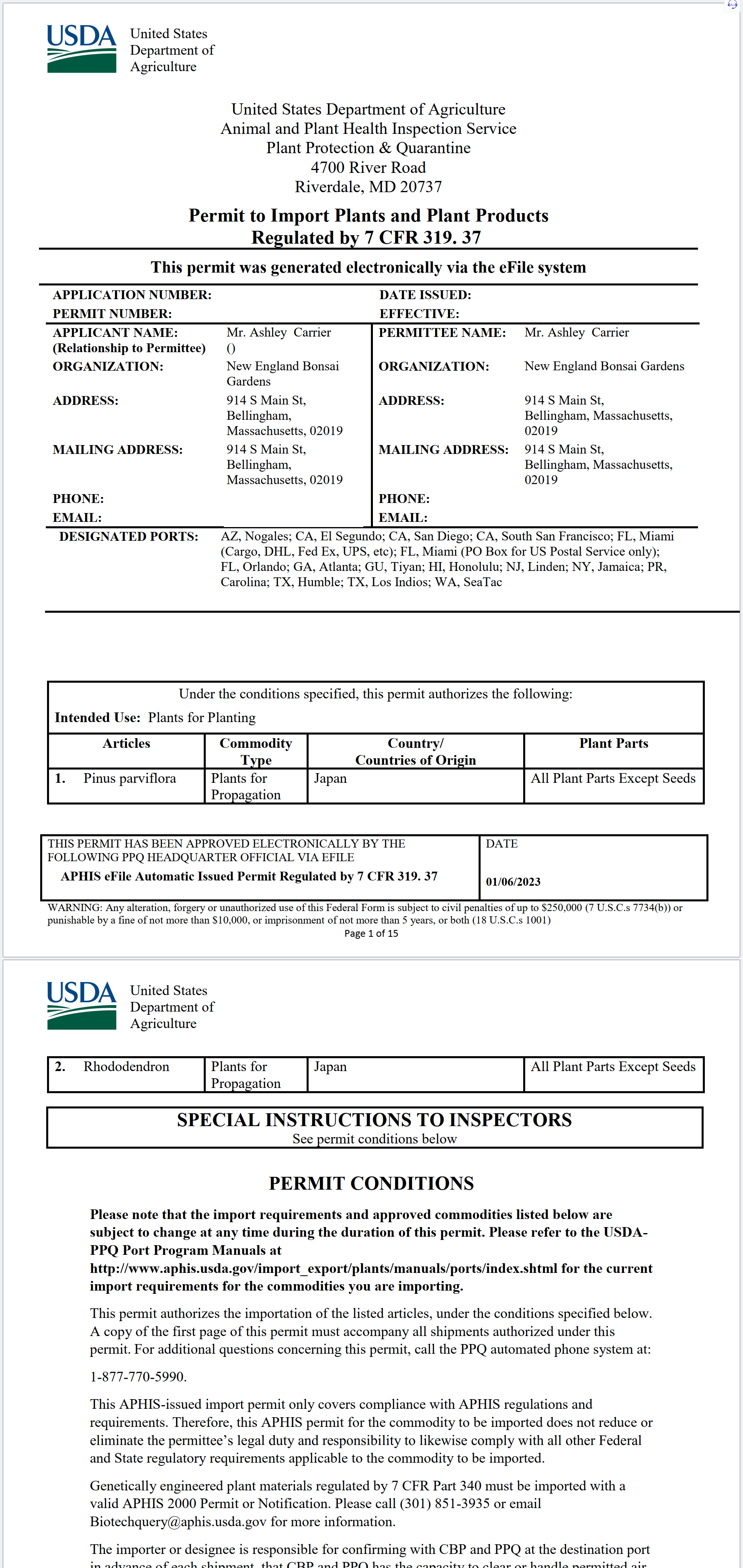
And that all happens after permits are issued.
In simple terms, legal imports leave a paper trail. A visible one.
U.S. bonsai imports fall under two regulatory tracks:
- • PPQ 587 for lower-risk species that still require full documentation
- • PPQ 546 for higher-risk species that require U.S. post-entry quarantine, often for two years
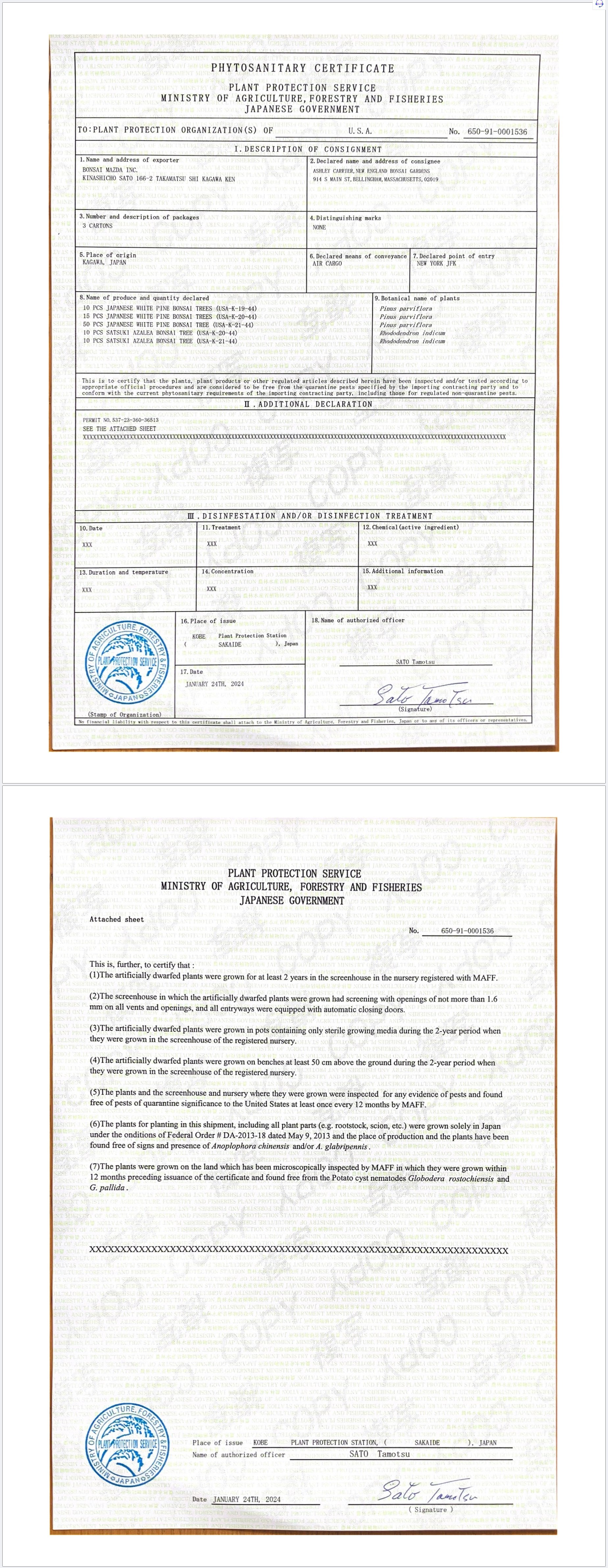
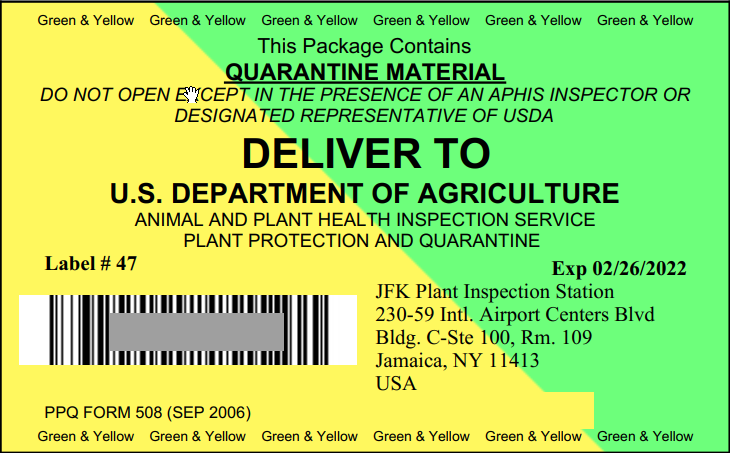
Some species cannot be imported at all. Japanese Black Pine is the clearest example. Fruiting and certain flowering species like Ume and Kinzu are also tightly restricted.
Because of this, many Japanese growers simply do not supply the U.S. market. They do not have to. Europe and most other regions do not require this level of compliance. That matters.
When the Story Doesn’t Match the Tree
So when trees appear online that should not exist here, repeatedly and quickly, often from the same few sources, buyers need to stop pretending this is normal.
Here is the non-negotiable truth:
If a species requires quarantine and there is no quarantine trail, the tree did not enter legally.
No explanation fixes that. No story changes it. And this is not just a seller issue. It is a buyer issue.
Buyers, Read This Carefully
Since September 2024, virtually every questionable auction and Buy It Now listing has been documented. This is not rumor. It is pattern recognition.
Demand drives this entire problem. If buyers stop purchasing questionable trees, the supply stops. Period.
If you buy a tree without proper documentation, you are accepting real risk:
- • The tree can be confiscated, immediately or years later
- • You can lose every dollar you spent
- • The tree can be seized and destroyed
- • You may expose yourself to investigation
- • You may introduce pests or disease into your yard, club, nursery, or state
- • You undermine the very bonsai community you claim to care about
A $300 “mystery import” is not invisible. People who work in this field can identify likely origin quickly. You may be proud of the tree, but others are quietly wondering how it got here.
If someone chooses to bypass the legal system, they are also choosing the consequences that come with it. Confiscation is not hypothetical. Neither is destruction.
About “Perfect” Trees
Let’s be honest about another red flag.
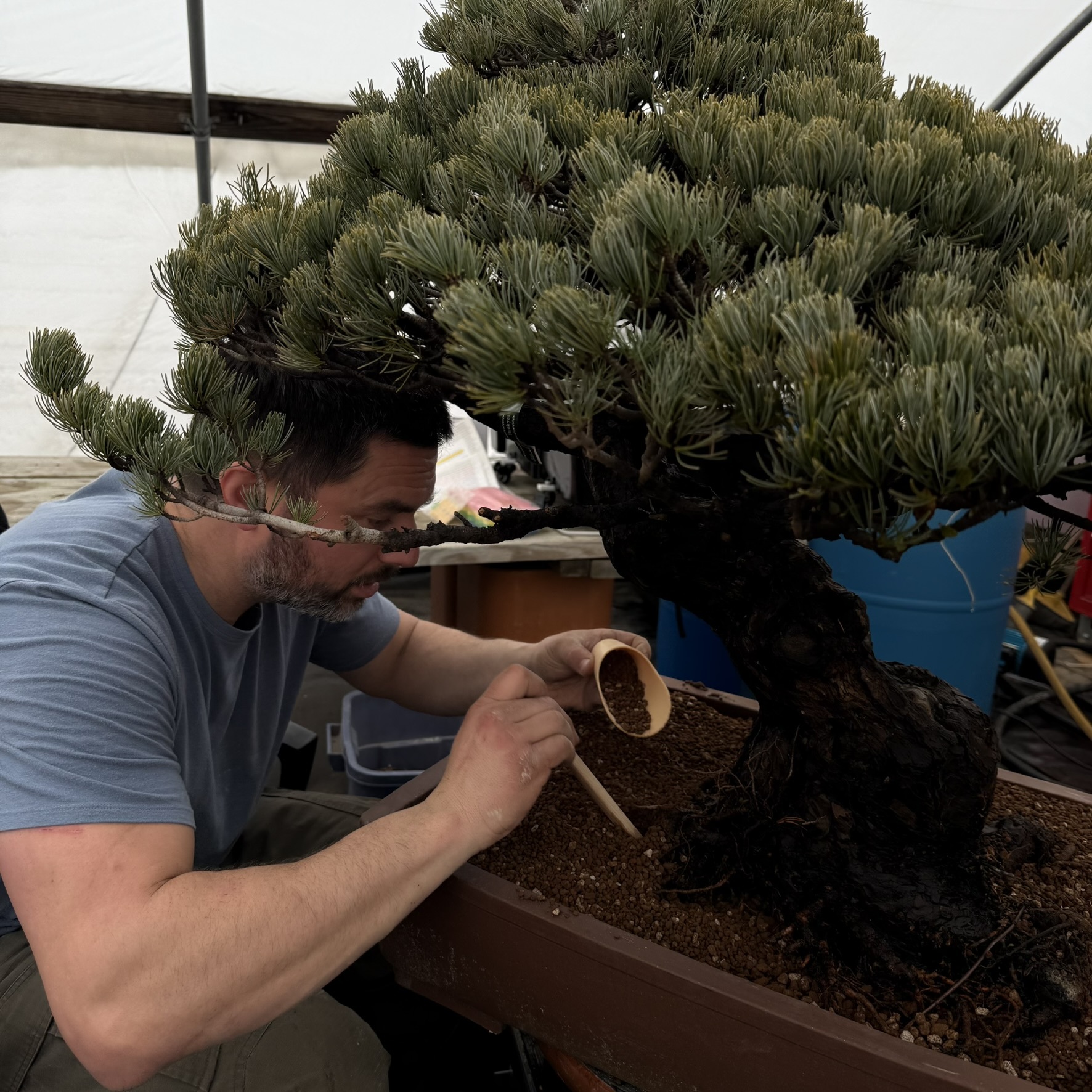
A legally imported tree has been bare-rooted, washed, stressed, quarantined, and inspected. It does not arrive untouched, sitting in original Japanese soil and Tokoname pots, holding foliage in December.
When it does, something does not add up.
Sellers: When the Story Doesn’t Match Reality
I do not have much to say to sellers. This is not a debate, and it is not a negotiation. This section is not about accusing any one person. It is about patterns that buyers need to stop ignoring.
When I have privately questioned certain trees, I have been blocked. I have even received a cease-and-desist letter. Legitimate businesses do not fear basic questions about origin, permits, or quarantine. They answer them.
The same red flags keep appearing:
- • Prices that do not align with the real cost of legal importation and cultivation
- • Trees listed shortly after being shown or exhibited in Japan
- • No paperwork, no origin history, vague or evasive sourcing explanations
- • Highly refined trees still in original Japanese soil and pots, never bare-rooted, holding foliage in winter
None of these signs alone prove wrongdoing. Together, they tell a very clear story.
A seller offering legally imported material will gladly provide:
- • Import dates and phytosanitary documentation when applicable
- • A clear, verifiable origin such as another nursery, a grower, or a long-held private collection
- • Quarantine records when required
When a seller cannot or will not provide that information, or responds by blocking questions instead of answering them, the risk does not disappear. It transfers. And at that point, the buyer is no longer just a customer. They are enabling the problem, whether they intend to or not.
Clubs, Instructors, and Organizations: Silence Is Not Neutral
Clubs and organizations shape norms. When questionable material is ignored, risk becomes normalized. Setting standards is not accusation. It is protection.
NEBG will not partner with clubs or groups that overlook obvious warning signs in the market. If your organization hasn’t made an effort to educate members about responsible buying, then please do not approach us for hosting, sponsorship, funding, or support. This takes effect immediately. I want to back clubs that protect the community, and I expect that same protection in return.
And to traveling artists, I am calling you out too. You see these trees firsthand. Say no to the invitations. You can help end this.
My Perspective After Traveling the Entire U.S. Bonsai Landscape
After visiting countless nurseries, growers, and legitimate importers across the country, one thing stands out:
I have never seen a reputable U.S. nursery with access to the kind of material that routinely appears online at suspiciously low prices. Not once.
If a legal, documented source exists, I want to see it. Genuinely. The entire industry needs it. Until then, buyers should assume the obvious. Low prices combined with vague sourcing equal high risk.
A Final Message to the Community
This is not about drama. This is not about attacking individuals. This is not about interfering with legitimate business.
This is about protecting:
- • The environment
- • The U.S. bonsai industry
- • Responsible nurseries
- • Bonsai clubs
- • The next generation of enthusiasts
If we look the other way, we risk far more than a few trees. We risk the trust, health, and stability of bonsai in America.
Support legitimate sellers. Stop enabling risky behavior.
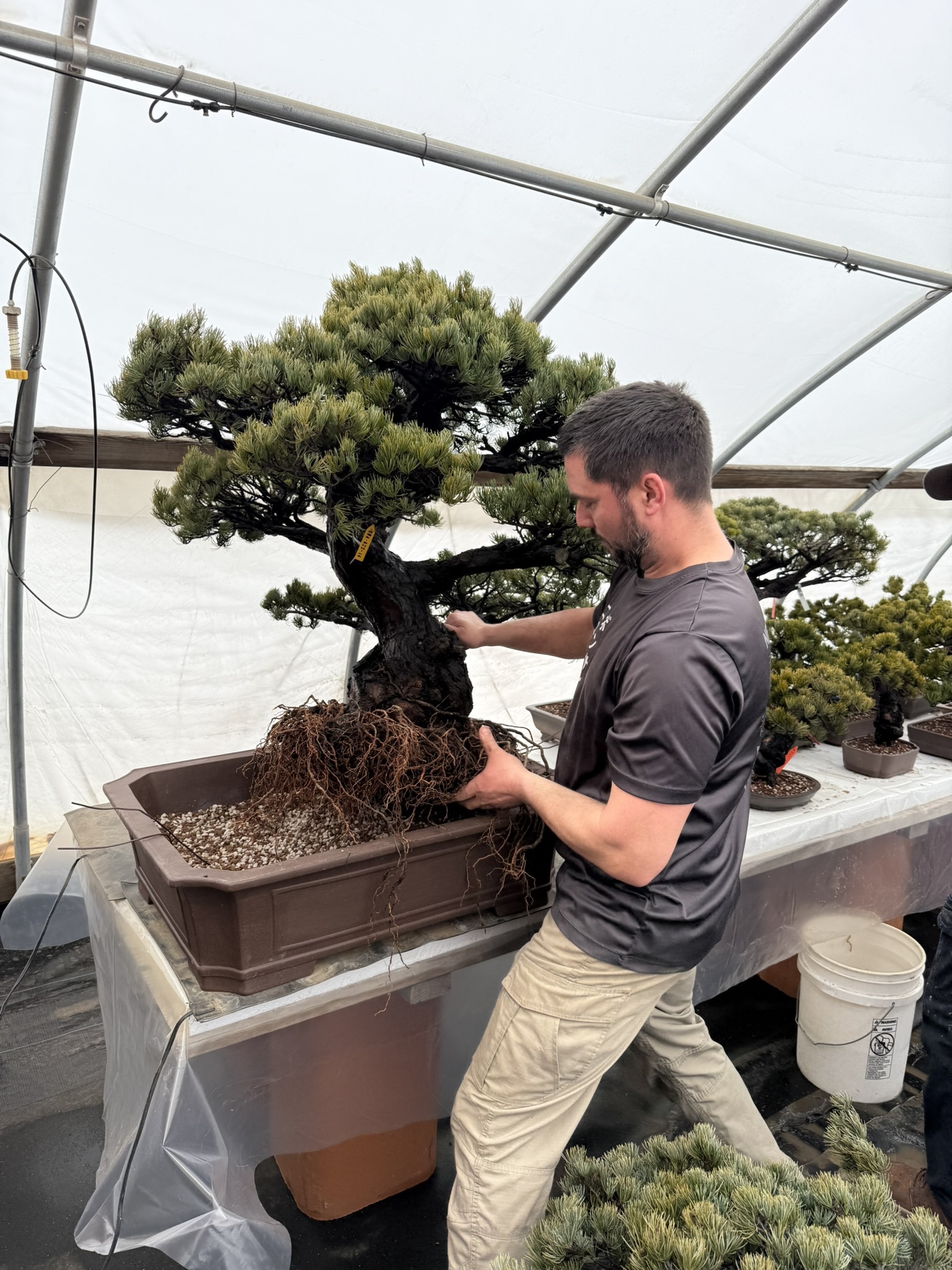
Let me be blunt. Do not bring undocumented or questionable trees onto my property. If something looks off, I will report it. Not to punish anyone, but because my business, my employees, and my customers depend on compliance. I do not get the luxury of looking the other way.
How to Report Suspected Illegal Plant Imports
If you encounter plant material that appears improperly documented or raises concerns, reporting is anonymous and helps protect U.S. agriculture and ecosystems.
USDA-APHIS Smuggling, Interdiction, and Trade Compliance
https://www.invasivespeciesinfo.gov/resource/11675
You may also contact your state Department of Agriculture for guidance.
This information is provided for educational purposes to help buyers, clubs, and nurseries protect themselves and the broader bonsai community.